
心理罪
AI建站避坑指南,别被“一句话生成”忽悠了_我的网站

一 |
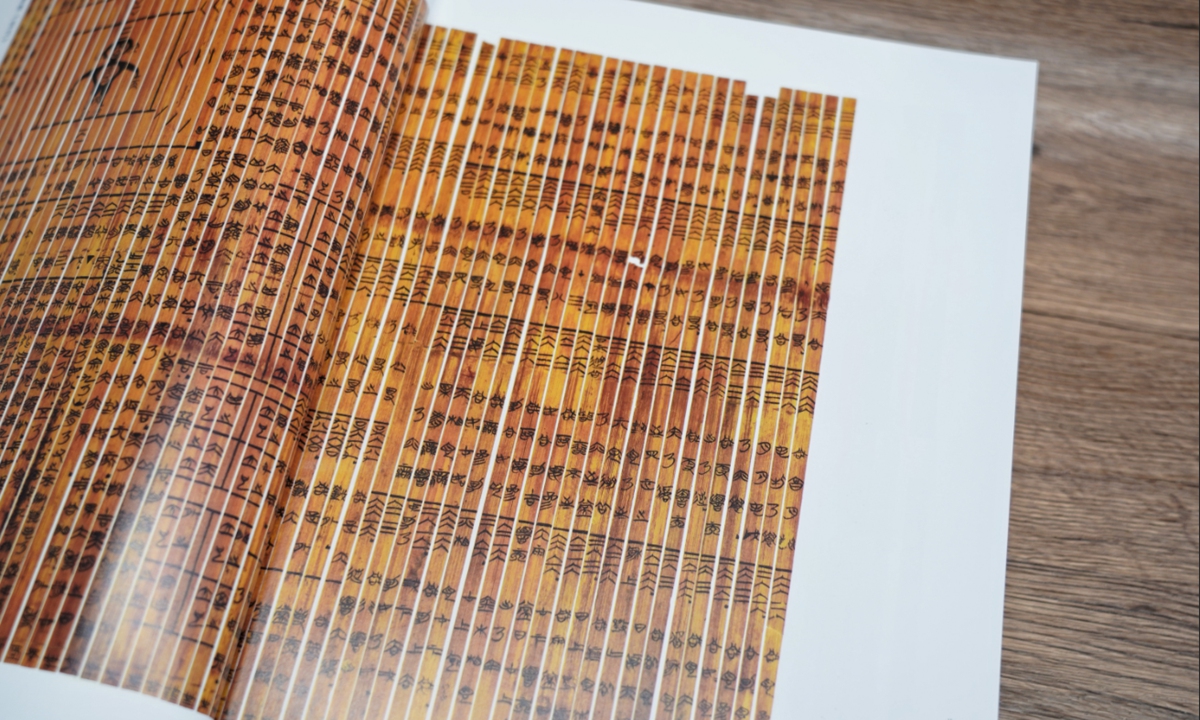
Published by the Shanghai Lexicographical Publishing House, the Dictionary of Bamboo and Silk Manuscript Studies is the world's first large-scale, authoritative lexicon to fully systematize global research on China's ancient bamboo slips, wooden tablets and silk manuscripts, the publishing house told the Global Times on Monday.
"Before paper was widely adopted, bamboo and wooden slips were China's most crucial carrier of writing, bearing the inheritance of Chinese civilization for thousands of years," Feng Shengjun, chief editor of the dictionary and vice president of the Chinese Society for the Study of Ancient Writing, told the Global Times.
"Major excavations of bamboo and silk relics have always been groundbreaking events in academic circles. By sorting out and interpreting these precious unearthed documents in a standardized dictionary form, we make the historical development of Chinese civilization clearer and more complete," Feng added, underscoring the book's foundational academic and cultural value.
The dictionary contains more than 9,000 entries and over 600 color illustrations and images. Entries cover the theory of bamboo and silk manuscript studies, excavated texts, manuscript forms and institutions, scholars and works, and preservation and research.
Before paper became widespread, bamboo and wooden slips, along with silk fabrics, were the principal writing materials in China. Originating in the early 20th century with the discovery of Dunhuang bamboo relics, the field has evolved into an internationally recognized scholarly frontier. It integrates archaeology, ancient history, legal systems, paleography, document conservation and multiple other sectors, fueled by successive landmark discoveries including the Shanghai Museum bamboo texts, Tsinghua University bamboo slips, Yuelu Academy Qin Dynasty (221BC-206BC) manuscripts and the famed Mawangdui silk documents, said the publishing house.
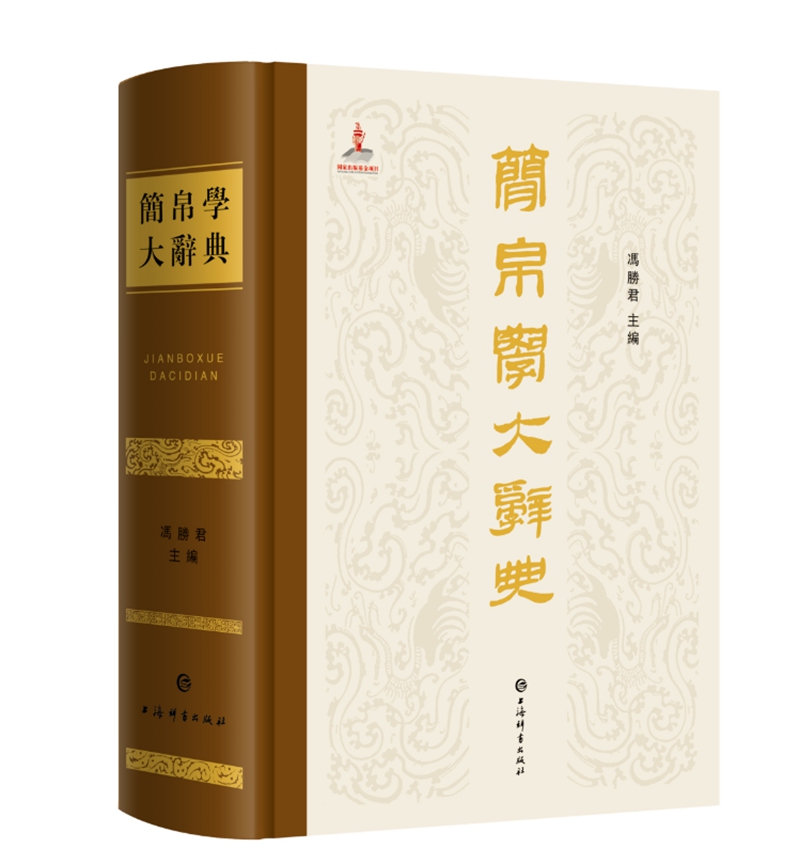
Zhao Hang, editor at the publishing house, told the Global Times that the volume comprehensively incorporates research achievements and academic works by Japanese and South Korean scholars, making it an important resource for foreign scholars who study bamboo and silk manuscripts.
It is intended for specialists, early-career researchers and general readers interested in early Chinese history. The entries range from theoretical concepts to biographies of leading scholars and descriptions of major excavation sites, with cross-references designed to help readers move across disciplines.
Feng said the volume will support research into the politics, laws, economics, military affairs, thought, science and technology, ethnic groups and social life of ancient China. It will also help standardize terminology across different scholarly traditions.
The publication is part of broader state-backed efforts to advance ancient script research and document the continuity of Chinese civilization. It aims to help make texts written more than 2,000 years ago "core material evidence" for interpreting a continuous 5,000-year Chinese civilization. For the field, it added, the dictionary is a landmark in a century of bamboo and silk manuscript studies.
。
一键部署OpenClaw 打开短视频平台,到处都是“AI一分钟生成网站”“零代码一键上线”的广告。看起来很美好,但真正动手做的时候,你会发现事情没那么简单。 坑一:AI生成的代码看着挺好,一跑就挂 这是最常见的翻车现场。把一张原型图发给AI,它确实能很快写出代码。但写完之后没法直接集成到项目里——因为真实的企业级项目有严格规范,深度绑定了特定的组件库和代码结构。AI只能凭感觉写一套它认为最合理的代码,看着挺好,一放进主项目里就各种报错。 怎么避坑? 在设计源头就把规范约束建立起来。用Pixso这类AI设计协作工具,在设计环节直接锁定规范——基于企业现有的设计系统和组件库来生成界面。设计稿本身就符合规范,AI再去理解它、转换成代码,才有靠谱的依据。

二 | 坑二:AI生成的全是假数据 AI写出来的代码是静态的,里面的新闻、产品、文案全是假的。

三 | 如果每次改内容都得找程序员改代码,那效率等于零。

四 | 怎么避坑? 把AI生成的前端代码集成到CMS(内容管理系统)中。用CMS的动态标签替换AI生成的假数据——新闻列表、产品展示、公司介绍,所有内容都可以在后台随时更新。

五 | AI负责前端,CMS负责数据,各司其职。

六 | 坑三:以为“一句话”就能搞定一切 Vibe Coding(氛围编程)概念很火,强调“描述需求”逐渐替代“手写代码”。

七 | 但你不能指望一句话生成的产品就很好。该有的需求分析、该确认的PRD得确认,而且还要做版本管理。自带版本管理没有Git好用。 怎么避坑? 把AI当成“初级工程师”,而不是“全能大神”。你负责目标、结构、标准和取舍,AI负责实现、重构、排错和重复劳动。开发人员更像是架构师的角色,监督AI智能体工作。 坑四:海外工具在国内水土不服 Bolt.new、Lovable这些海外工具确实强大,但国内用户用起来有四个硬约束:网络访问不稳定(页面加载慢、白屏)、付费需美元信用卡、生成的应用部署到海外不能稳定服务国内用户、企业用担心数据合规。 怎么避坑? 优先考虑国内替代方案——阿里云Meoo秒悟、百度秒哒等国产工具。阿里云万小智2.0已经支持自然语言对话零代码生成完整网站,原生集成域名申领、ICP备案、阿里云云资源部署。 AI建站工具确实强大,但它们不是魔法。工具是放大你的能力,不是替代你的能力。知道怎么用、知道什么时候该用、知道什么时候该自己动手——这些判断力,才是AI时代真正的核心竞争力。
申请创业报道,分享创业好点子。点击此处,共同探讨创业新机遇!。

八 |
Current article:http://0ua.wairanleichengwochengzhui.shop/s8dmp1/whso6h0.html
Published on:00:38:55